Floral Design Tips for Destination Weddings (From Real Experts)
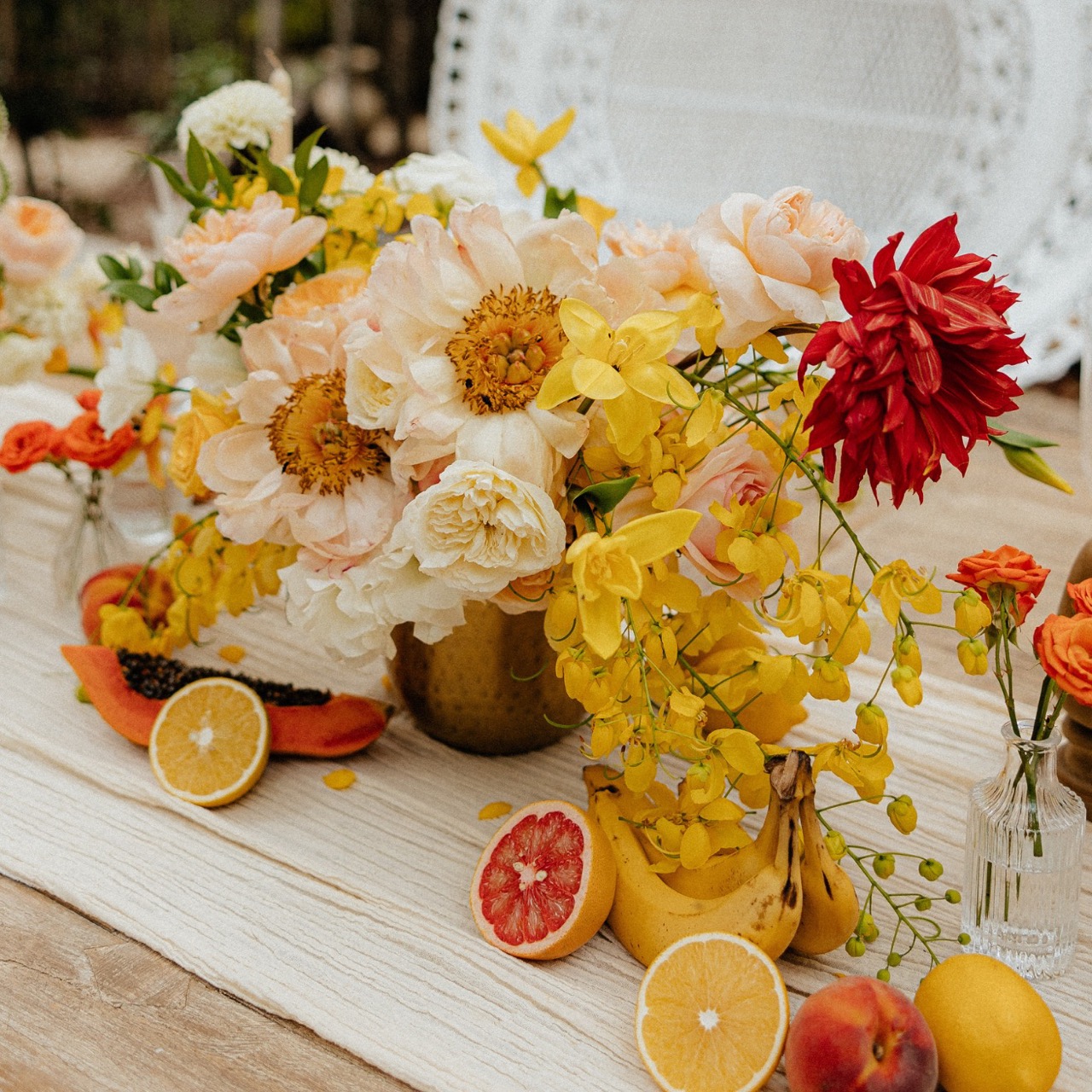
Learn about managing floral expectations, understanding seasonality and logistics, and making smart choices for your destination wedding flowers.
Flowers are one of the most beautiful elements of a wedding—but also one of the easiest to misunderstand when planning from afar. Because they are natural elements, colors, textures, and shapes can vary, especially compared to highly edited images on Pinterest or Instagram.
Many blooms also have specific seasons, such as peonies, ranunculus, king proteas, pampas grass, and some imported varieties. For example, pampas grass looks full and fluffy in season, but outside that window it can appear thin or dry—something that can surprise couples if expectations aren’t aligned.
In destinations like Cancún and Riviera Maya, most flowers must be flown in from other regions of Mexico or imported from countries like Holland. This requires advance planning:
– 2 weeks for national flowers
– 3+ weeks for imports
These logistics also explain why some blooms have higher costs. It's not just the flower—it’s refrigeration, transportation, customs, availability, and careful handling.
Another important factor is labor. Floral teams often spend two full days conditioning and hydrating flowers, trimming stems, and preparing every bloom so that they are at peak freshness for your wedding day. Many florists work overnight creating arrangements, bouquets, centerpieces, and installations to ensure everything looks perfect at your ceremony time. This craftsmanship is part of what makes destination floral design so special.
When it comes to ambiance, candles are another key detail. Many brides request real candles, but in outdoor locations, wind and humidity often make them impractical—they may not stay lit or can blow out quickly. For this reason, planners often recommend high-quality LED candles, which provide the same warm glow while ensuring a consistent and beautiful look throughout the night.
Because of all these factors, last-minute changes to colors, types of flowers, or quantities can be difficult to guarantee and always depend on availability. Clear and timely communication with your planner is essential to ensure your floral vision aligns with what is achievable for your date, season, and destination.
The resorts and floral teams we work with are deeply committed to creating arrangements that are beautiful, harmonious, and inspired by your ideas—while honoring the natural and logistical realities of working with fresh flowers in a tropical destination.
Many blooms also have specific seasons, such as peonies, ranunculus, king proteas, pampas grass, and some imported varieties. For example, pampas grass looks full and fluffy in season, but outside that window it can appear thin or dry—something that can surprise couples if expectations aren’t aligned.
In destinations like Cancún and Riviera Maya, most flowers must be flown in from other regions of Mexico or imported from countries like Holland. This requires advance planning:
– 2 weeks for national flowers
– 3+ weeks for imports
These logistics also explain why some blooms have higher costs. It's not just the flower—it’s refrigeration, transportation, customs, availability, and careful handling.
Another important factor is labor. Floral teams often spend two full days conditioning and hydrating flowers, trimming stems, and preparing every bloom so that they are at peak freshness for your wedding day. Many florists work overnight creating arrangements, bouquets, centerpieces, and installations to ensure everything looks perfect at your ceremony time. This craftsmanship is part of what makes destination floral design so special.
When it comes to ambiance, candles are another key detail. Many brides request real candles, but in outdoor locations, wind and humidity often make them impractical—they may not stay lit or can blow out quickly. For this reason, planners often recommend high-quality LED candles, which provide the same warm glow while ensuring a consistent and beautiful look throughout the night.
Because of all these factors, last-minute changes to colors, types of flowers, or quantities can be difficult to guarantee and always depend on availability. Clear and timely communication with your planner is essential to ensure your floral vision aligns with what is achievable for your date, season, and destination.
The resorts and floral teams we work with are deeply committed to creating arrangements that are beautiful, harmonious, and inspired by your ideas—while honoring the natural and logistical realities of working with fresh flowers in a tropical destination.